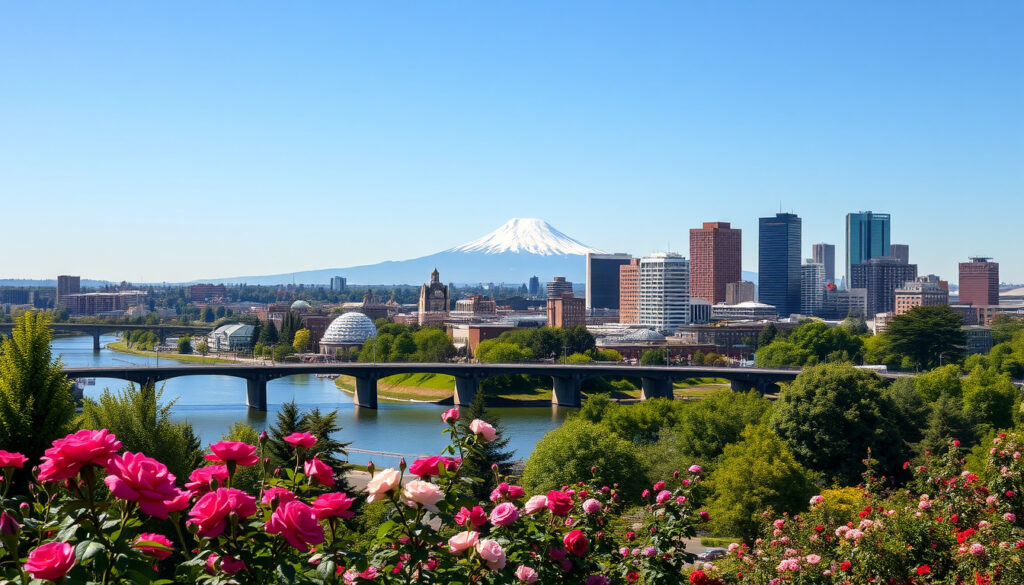
Things to Do in Portland Oregon – Top Attractions and Local Tips
Portland, Oregon, rewards visitors with a distinctive blend of natural beauty, creative culture, and approachable outdoor experiences. Nestled between the Cascade Range and the Willamette River, this Pacific Northwest city offers everything from lush hiking trails to an internationally recognized food cart scene, all wrapped in a famously laid-back atmosphere.
Whether arriving for a weekend getaway or planning a week-long exploration, travelers discover a destination that prioritizes sustainability, walkability, and local flavor. The city’s compact downtown core connects easily to diverse neighborhoods, each offering its own character and attractions.
This guide covers the essential experiences that define Portland—from well-known landmarks to hidden gems suited for families, budget travelers, and outdoor enthusiasts alike.
What Are the Best Things to Do in Portland Oregon?
Portland’s identity centers on its ability to combine urban conveniences with abundant natural spaces. The city consistently earns recognition for its outdoor access, food culture, and neighborhood vitality.
Powell’s City of Books
The world’s largest independent bookstore occupies an entire city block in downtown Portland, offering over one million books across multiple floors.
Washington Park
This 400-acre urban park houses gardens, a world-class zoo, historic fountains, and access to some of Portland’s most scenic trails.
Food Cart Pods
With more than 500 food carts operating citywide, Portland’s mobile kitchen scene represents one of the most diverse and accessible dining cultures in the United States.
Lan Su Chinese Garden
A tranquil walled garden in the heart of Old Town provides an immersive experience inspired by classical Chinese landscape design, complete with teahouse and koi ponds.
Key Insights About Portland
- Portland carries the nickname “City of Roses,” a legacy stemming from its extensive rose gardens and the annual Portland Rose Festival held each May through June.
- The city maintains over 400 miles of designated bike lanes and trails, earning recognition as one of America’s most bike-friendly destinations.
- Winter months bring regular rainfall, making indoor attractions and covered venues essential for visitors during November through March.
- The craft beverage scene extends beyond beer to include distilleries, wineries, and specialty coffee roasters found throughout neighborhoods.
- Portland’s public transit system, including the MAX light rail and streetcar network, connects major attractions without requiring a car.
Portland’s downtown core and most major attractions connect via the MAX light rail, Portland Streetcar, and TriMet bus system. Bicycles can be rented from numerous stations throughout the city using rideshare apps, providing flexible access to neighborhoods and trails. Visitors can find additional transit information through Travel Portland’s transportation guide.
Portland at a Glance
| Fact | Details |
|---|---|
| Best Time to Visit | Summer months (June through August) offer mild temperatures averaging 70-80°F and maximum outdoor programming |
| Average Daily Cost | $150–250 per person for moderate travel, with significant savings possible using free attractions and food carts |
| Top Neighborhoods | Pearl District, Hawthorne Boulevard, Alberta Arts District, and Sellwood |
| Public Transit | MAX light rail connects Portland International Airport to downtown; streetcars serve central neighborhoods |
| Walkability Score | Downtown and inner neighborhoods rank among the most walkable in the Pacific Northwest |
Things to Do in Portland Oregon with Kids
Portland caters exceptionally well to families, with attractions designed to engage children while accommodating parents’ need for convenience and variety.
Science and Discovery
The Oregon Museum of Science and Industry (OMSI) stands as a cornerstone family destination, featuring hands-on exhibits that encourage exploration and experimentation. The museum’s waterfront location includes access to the USS Blueback submarine and a planetarium, while on-site cafés allow families to take breaks without leaving the premises.
Adjacent to Washington Park, the Oregon Zoo houses more than 2,000 animals across carefully designed habitats that prioritize animal welfare and educational programming. Many exhibits allow close viewing, and the zoo’s compact layout makes it manageable for families with young children.
Creative Play Spaces
The Portland Children’s Museum, located near the Oregon Zoo, specializes in exhibits designed for creative unstructured play. The outdoor garden area remains popular during dry weather, while indoor spaces provide relief during Portland’s frequent rain showers.
Families seeking active entertainment can visit Oaks Park, home to America’s oldest continuously operating roller rink. The historic venue features a pipe organ that still accompanies weekend skating sessions, creating an atmospheric experience unavailable elsewhere in the region.
When afternoon showers arrive, pivot to OMSI or the Children’s Museum for indoor hours, then enjoy dinner at a covered food market or food hall. Many families report this rhythm—outdoor exploration in the morning, indoor attractions through early afternoon—works better than fighting weather patterns.
Parks and Outdoor Play
Mt. Tabor Park offers families a unique urban hiking experience with the distinction of being an extinct volcanic cinder cone. The park provides free parking, restrooms, playgrounds, and picnic areas, making it practical for family outings. Multiple trail options range from easy loops to more challenging rim paths, accommodating different age groups and ability levels.
Washington Park’s grounds extend beyond the zoo to include Japanese Gardens, an arboretum, and extensive lawn areas suitable for running and playing. The park’s proximity to other attractions makes it a natural gathering point for multi-activity days.
Free Things to Do in Portland Oregon
Budget-conscious travelers discover Portland rewards those who prioritize parks, markets, and cultural events over admission fees. The city maintains numerous free-access attractions that showcase its character without requiring significant expenditure.
Markets and Street Culture
The Portland Saturday Market operates in Old Town every weekend from March through December, bringing together artisans, craftspeople, and food vendors in an open-air setting. Entry remains free, allowing visitors to browse handmade goods, watch street performers, and sample international cuisine from the market’s food kiosks.
Citywide farmers’ markets provide additional free entertainment, with produce stands sharing space alongside food carts, live music performances, and local artisans. The markets rotate through different neighborhoods on various days, offering opportunities to explore new areas while sourcing fresh local ingredients. Seasonal market schedules are available through the City of Portland’s farmers market listings.
Parks and Natural Areas
Waterfront Park stretches along the Willamette River through downtown Portland, providing paved paths for walking, jogging, and cycling. The park’s riverside location offers views of the Portland Bridge and connects to other neighborhoods via the waterfront trail system. Bicycle rentals are available from stations near the park.
Southeast Portland’s Little Free Landmarks initiative decorates sidewalks with miniature architectural installations and book exchanges. Exploring these neighborhood installations works well as a self-guided walking or cycling tour, revealing community character that larger attractions miss.
Free outdoor activities depend heavily on weather conditions. Summer months (June through August) offer the most reliable access to parks, markets, and waterfront activities. Winter rainfall requires flexibility to shift between outdoor and indoor options throughout the day.
Free Entertainment and Culture
Summer Movies in the Park brings free outdoor film screenings to parks throughout the city, typically running Friday and Saturday evenings from June through August. Local screens rotate themes and eras, providing options for families and adults alike.
Cathedral Park hosts free jazz performances beneath the St. Johns Bridge during summer months, combining live music with scenic waterfront views. The atmosphere attracts locals and visitors seeking relaxed entertainment without admission costs or reservations.
Best Outdoor Activities and Hikes Near Portland
The Pacific Northwest surrounding Portland provides exceptional access to forests, waterfalls, and volcanic landscapes within an hour’s drive of downtown. Trails range from accessible urban paths to more demanding wilderness routes.
Urban Trails and Parks
Tryon Creek State Park occupies a protected valley in Southwest Portland, offering marked trails that wind through second-growth forest. The park’s maintenance and trail markers make it suitable for families with children, while wildlife viewing opportunities attract nature enthusiasts. Several trail loops can be completed in under an hour, though longer routes explore the park’s full extent. Current trail conditions andMaps are available through the Oregon State Parks website.
McMenamins Kennedy School in Northeast Portland represents a unique blend of outdoor and indoor experience. The converted schoolhouse now operates as a hotel, brewery, and movie theater, with outdoor courtyards and gardens open to visitors free of charge. The site demonstrates how Portland repurposes historic buildings into community gathering spaces.
Day Trip Destinations
Multnomah Falls requires approximately 30 minutes of driving east on the Columbia River Gorge, making it the most accessible major waterfall destination from Portland. The falls drop 620 feet in two tiers, with a footbridge crossing the lower section for optimal viewing angles. The visitor center, snack bar, and gift shop accommodate visitors without requiring payment for viewing.
For travelers with additional time, the Columbia River Gorge offers numerous additional trail options including Multnomah Falls’ associated loop trails, Wahclella Falls near Bonneville Dam, and the historic Columbia River Highway’s walking path. These destinations can be combined into day trips focused on waterfall viewing or extended excursions incorporating multiple stops. The U.S. Forest Service provides current information on Columbia River Gorge trail conditions and closures.
Weather conditions affect trail accessibility throughout the year. Winter storms may close roads approaching trailheads, while summer heat creates hazardous conditions on exposed sections. Checking current conditions through the Oregon State Parks website before departing helps avoid disappointment. Parking fills early at popular destinations during summer weekends.
Portland’s Famous Food and Drink Scene
Portland’s culinary identity centers on accessibility, diversity, and local sourcing. The city’s food cart culture and craft beverage scene have earned national recognition, while farm-to-table dining remains a consistent thread across restaurant categories. Travel + Leisure has featured Portland’s food scene extensively as an example of innovative urban dining culture.
Food Carts and Markets
With more than 500 food carts operating throughout the city, Portland’s mobile kitchen ecosystem offers cuisines ranging from traditional northwest seafood to Thai, Ethiopian, Mexican, and Korean fusion. Carts cluster in designated “pods” that provide seating areas, creating casual dining environments distinct from traditional restaurants.
The Portland Saturday Market and nearby food halls like Pine Street Market aggregate multiple food options in covered settings, making them particularly valuable during rainy weather. Local producers also operate farm stands at farmers’ markets throughout the week, offering fresh ingredients alongside prepared foods.
Craft Beverages
Portland’s craft beer culture predates the current national trend by several decades, establishing brewpub traditions that continue to thrive. Neighborhood breweries like those in the Alberta Arts District offer taprooms with distinct personalities, while established institutions like McMenamins operate multiple venues throughout the city.
The city also supports distillery tasting rooms, boutique wineries, and specialty coffee roasters that have won national awards. This beverage diversity reflects Portland’s approach to local production and artisanal quality across categories. Lonely Planet highlights Portland’s beverage scene as particularly noteworthy for a city its size.
Iconic Sweet Treats
Salt & Straw earned recognition for creative ice cream flavors that incorporate local ingredients, seasonal produce, and artisanal techniques. The scoop shop’s rotating menu attracts lines during summer months, though multiple locations throughout the city distribute demand across locations.
Best Times to Visit: A Seasonal Overview
Portland’s climate influences which activities work best during different times of year, creating distinct seasonal experiences for visitors.
- Spring (March through May) brings cherry blossoms to Waterfront Park and increasing access to outdoor markets. Rain remains frequent but temperatures warm steadily toward summer.
- Summer (June through August) delivers the most reliable weather and maximum programming, including outdoor concerts, farmers’ markets, and extended park hours. This peak season also brings larger crowds.
- Fall (September through November) offers comfortable temperatures and fewer visitors as school schedules resume. Hiking trails remain accessible, though rainfall increases toward November.
- Winter (December through February) focuses attention on indoor attractions, covered markets, and the city’s craft beverage scene. Rainy days require flexibility but reduce crowding at major attractions.
Annual Events Worth Planning Around
The Portland Rose Festival transforms the city each May through June, incorporating parades, garden tours, and community events across multiple weeks. Portland Beer Week in July celebrates local breweries with special tastings and tap takeovers.
December brings holiday light displays throughout neighborhoods, with organized events in areas like the Portland Japanese Garden drawing visitors seeking seasonal atmosphere. Holiday markets at the Convention Center and in the Pearl District offer shopping and entertainment options.
Specific event schedules for 2025 require verification through local tourism sources closer to travel dates. The Travel Portland website maintains current calendars covering festivals, concerts, and community programming throughout the year.
What Travelers Can Expect and What Remains Uncertain
Well-Established Information
Portland’s core attractions—Powell’s City of Books, Washington Park, Waterfront Park, and the Saturday Market—operate year-round with established hours, admission policies, and visitor facilities. These destinations have maintained consistent operations through recent years and offer reliable planning information.
The city’s public transit system continues operating with established routes connecting the airport, downtown, and major neighborhoods. Bike-share programs and rental options remain available throughout the inner city.
Areas Requiring Verification
Weather-dependent outdoor activities—particularly hiking trails and waterfall visits—require checking current conditions before planning. Winter storms occasionally close park access roads, while summer heat advisories affect trail safety during afternoon hours.
Specific event details for 2025 beyond established annual programming have not been confirmed in available sources. Visitors seeking festival dates, concert schedules, or special exhibitions should verify through official city resources closer to their travel dates.
Neighborhoods Worth Exploring
Portland’s character emerges through its distinct neighborhoods, each offering different atmospheres and attractions. Exploring beyond downtown reveals community identities shaped by local businesses, public art, and resident demographics.
The Pearl District, once an industrial warehouse zone, now houses galleries, boutiques, and restaurants in converted buildings. Art walks on First Thursdays open studios and galleries to visitors monthly.
Hawthorne Boulevard in Southeast Portland reflects the neighborhood’s eclectic identity through vintage shops, independent cafes, and diverse restaurant options. The area attracts visitors seeking local character away from tourist-oriented districts.
Alberta Arts District in Northeast Portland showcases murals and public art installations throughout the neighborhood, with monthly Art Walks drawing crowds to galleries and studios. The district’s transformation over recent decades demonstrates Portland’s ongoing evolution.
Sources and Perspectives
This guide draws from established travel resources, official tourism boards, and local publications covering Portland attractions and events. National Park Service resources supplement information about regional outdoor destinations accessible from the city.
“Portland’s food cart culture represents one of the most vibrant and accessible street food scenes in the country, with diverse options that reflect the city’s multicultural community.” — Travel + Leisure
“With over 400 miles of bike lanes and paths, Portland offers cyclists a network that connects neighborhoods, parks, and attractions without requiring navigation on major highways.” — Lonely Planet
Additional perspectives came from official sources including Travel Portland, the Portland Bureau of Transportation, and Oregon State Parks, providing current operational information and safety guidelines for trail access.
Final Thoughts
Portland rewards travelers who approach it with flexibility and curiosity. The city succeeds when visitors embrace its contradictions—rain and sunshine, urban density and wild nature, established institutions and creative experiments. What to Do Today might mean a morning spent hiking a volcanic cinder cone and an afternoon browsing a million books, followed by an evening enjoying craft beverages at a converted schoolhouse.
Three to five days provides sufficient time to explore major attractions, venture into surrounding natural areas, and sample the city’s food and drink culture without excessive rushing. Travelers seeking deeper experiences will find additional reasons to extend their stays, whether through Best Places to Watch Whales along the coast or extended exploration of nearby state parks.
Frequently Asked Questions
How many days should I spend in Portland Oregon?
Three to five days covers Portland’s major attractions without excessive rushing. This timeframe allows visits to downtown sites, neighborhood exploration, at least one day trip to surrounding natural areas, and time to sample the local food and drink culture at relaxed pace.
What neighborhoods should I prioritize in Portland?
The Pearl District and downtown provide access to major attractions like Powell’s City of Books and Waterfront Park. Southeast neighborhoods around Hawthorne and the Alberta Arts District offer local character, while Northeast Portland’s McMenamins Kennedy School and farmers’ markets suit visitors seeking casual dining and community atmosphere.
What winter activities are available in Portland?
Winter shifts focus toward indoor attractions including OMSI, the Children’s Museum, and covered food halls. Portland’s craft beverage scene provides shelter for rainy afternoons, while occasional dry days still permit park visits with appropriate clothing. The holiday season brings special light displays and seasonal markets.
Are there good hiking options near downtown Portland?
Tryon Creek State Park offers forested trails within city limits, while Mt. Tabor Park provides urban hiking with panoramic views. For more dramatic landscapes, Multnomah Falls and other Columbia River Gorge destinations lie within 30 minutes to an hour’s drive from downtown.
How bike-friendly is Portland?
Portland maintains over 400 miles of designated bike lanes and trails, with the downtown core and major neighborhoods well-connected for cyclists. Bike-share programs and rental shops provide access throughout the inner city, while waterfront trails offer scenic routes between major parks and attractions.
What free attractions are must-sees in Portland?
Waterfront Park along the Willamette River, Mt. Tabor Park’s trails and views, the Portland Saturday Market (spring through fall), and neighborhood street art installations offer substantial experiences without admission fees. Farmers’ markets provide free entertainment alongside affordable food options.
More related posts
 Iowa State Cyclones Men’s Basketball: History, Stats & Schedule
 How to Add Money to Venmo: Bank, Debit, Cash & More
 Little Alchemy 2 Cheats: Complete Guide to All 720 Combinations
 Jennifer Tilly Movies and TV Shows: Complete Guide & Net Worth
 New Movies to Rent: Top Picks, Release Dates & Prices (2026)
 We Were Liars Episodes – Count, Release and Season 2 Status
 Alani Nu Witches Brew Review: Flavor, Safety & Where to Buy
 Steven Yeun Movies and TV Shows: Full Career Guide