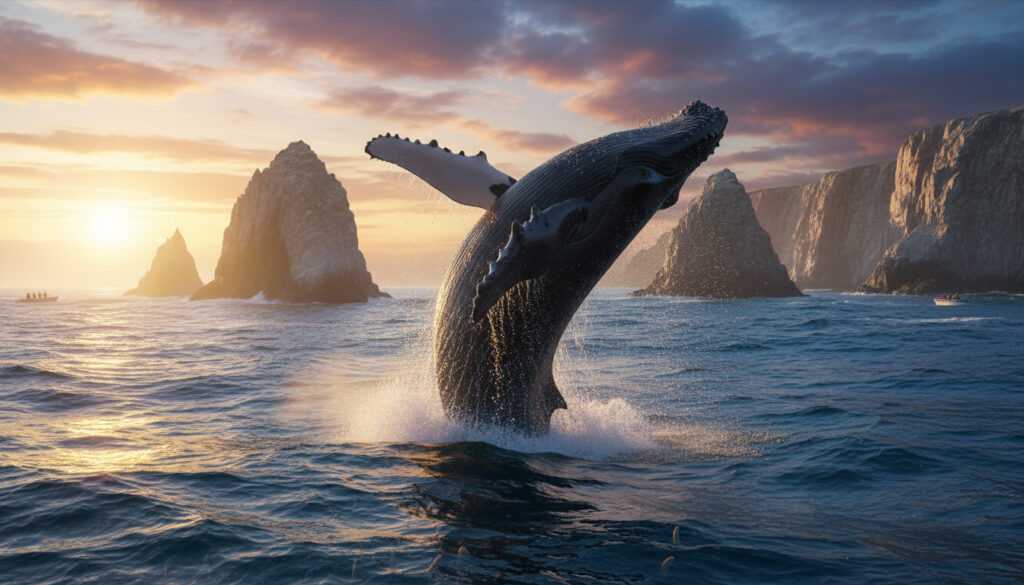
Best Places to Watch Whales – Top Global Destinations and Seasons
Whale watching connects travelers with some of the ocean’s most magnificent inhabitants across dramatic coastlines and protected marine sanctuaries. From the icy waters surrounding Iceland to the warm lagoons of Baja California, pinpointing where to observe these creatures requires understanding migration corridors, seasonal feeding patterns, and ethical viewing practices. Operators worldwide now offer experiences ranging from rough-and-ready zodiac excursions to climate-controlled vessels equipped with hydrophones for listening to whale songs beneath the waves.
The global whale watching industry cites Vancouver Island, Husavik, the San Juan Islands, and Monterey among its most reliable locations for sightings. According to aggregated tour data and marine tracking reports, adult excursion costs typically fall between $50 and $150 USD for standard outings lasting two to four hours, with premium small-group experiences commanding higher fees.
Before booking, travelers should verify operator certifications aligning with WWF and NOAA guidelines, which mandate 100-meter distances and prohibit vessel harassment. Climate researchers note that shifting ocean temperatures may slightly alter traditional migration calendars for the 2024–2025 seasons, making flexibility essential when planning trips around predicted peak times.
What Are the Best Places to Watch Whales Worldwide?
Marine biologists and travel operators consistently identify nine primary destinations delivering high sighting rates across diverse whale species. Each location offers distinct ecological advantages, from deep ocean trenches funneling nutrients to sheltered bays protecting newborn calves.
Key Insights for Selecting Your Destination
- Iceland’s Skjálfandi Bay hosts humpbacks feeding during summer months, though transient orcas occasionally appear during Arctic migrations.
- Dana Point, California maintains year-round gray whale visibility during winter months while blue whales dominate summer surveys.
- Vancouver Island offers some of the most predictable orca encounters globally, with three resident pods frequenting the Strait of Georgia.
- French Polynesia’s Moorea provides tropical breeding ground encounters between July and October, specifically featuring humpback mothers with calves.
- The Azores records over twenty-six cetacean species throughout the year, making it the Atlantic’s most biodiverse whale watching archipelago.
- Cape Cod represents critical habitat for the endangered North Atlantic right whale, though sightings require specific seasonal timing.
- Alaska’s Juneau operates tours with near-guaranteed humpback sightings during summer feeding aggregations.
Essential Facts About Global Whale Watching
| Fact | Details | Source Context |
|---|---|---|
| Global gray whale migration | Approximately 20,000 individuals travel past Pacific coastlines during spring | LetsRoam; Wanderlust |
| Average tour duration | 2–4 hours standard; half-day for deep-ocean species | Tour operator aggregates 2024–2025 |
| Iceland success windows | May through September for consistent humpback and minke encounters | OceanFriendly |
| Baja California calving | February through April peak for gray whale nursery lagoons | Jacada Travel |
| Azores sanctuary status | European Union designation protecting 26+ cetacean species | Wanderlust |
| Monterey Bay diversity | Year-round viewing with five regular species including transient orcas | LetsRoam |
What Is the Best Time of Year for Whale Watching?
Timing determines not only which species appear but also how close vessels may legally approach. Global migration patterns split roughly between feeding seasons in high-latitude summer waters and breeding seasons in tropical winter zones.
Northern Hemisphere Summer Feeding Aggregations
From June through August, humpbacks and blue whales concentrate in polar and sub-polar feeding grounds. Husavik and Alaska’s Juneau report peak sighting frequencies during these months as whales build blubber reserves. Cape Cod’s Stellwagen Bank similarly witnesses dense humpback congregations during July and August, drawing individuals from Caribbean breeding grounds.
Winter Breeding and Calving Seasons
Between December and March, gray whales dominate Pacific coastal routes while migrating south to Baja California’s protected lagoons. San Ignacio Lagoon offers rare opportunities for vessels to observe mother-calf pairs at close distances, though strict speed limits apply. French Polynesia’s Moorea sees humpback arrivals from Antarctic feeding grounds beginning in July, extending through October.
Year-Round Viewing Opportunities
Certain locations bypass seasonal restrictions entirely. The San Juan Islands maintain orca visibility throughout winter months despite summer peaks, while Dana Point catalogs gray whales transiting south in winter and blue whales feeding in summer without interruption. Kaikōura’s sperm whale population remains resident due to deep canyon geography accessible twelve months annually.
What Types of Whales Can You See at Top Locations?
Species distribution correlates with bathymetry and prey availability. While some destinations specialize in specific cetaceans, others offer multi-species encounters during single outings.
Orcas and Dolphin Species
Killer whales appear as both resident populations and transient individuals. Vancouver Island’s Johnstone Strait hosts fish-eating resident pods visible consistently during summer salmon runs, while Monterey Bay records transient mammal-hunting orcas primarily during April through May and again August through October. Kaikōura documents orca sightings during Southern Hemisphere summer months between October and March.
Humpback and Blue Whales
Humpbacks represent the most frequently observed great whales globally, appearing in Iceland, Alaska, Massachusetts, and French Polynesia. Blue whales, the largest animals on Earth, frequent Monterey Bay’s submarine canyon during summer months and the Azores during spring migrations. Mirissa, Sri Lanka, offers Indian Ocean blue whale encounters, though these require specific seasonal timing outside traditional tourism windows.
Gray Whales and Calving Behaviors
Eastern Pacific gray whales undertake the longest mammal migration, traveling from Arctic feeding grounds to Mexican lagoons. Dana Point serves as a waypoint along this 10,000-mile round trip, while Baja’s lagoons function as nurseries where females nurse calves before the northward return journey beginning in April.
Humpbacks display distinctive white pectoral fins and frequent breaching behaviors. Gray whales exhibit mottled skin and visible barnacle clusters on their backs. Orcas present striking black-and-white patterning regardless of geographic location. Blue whales appear slate-blue with tiny dorsal fins relative to body mass.
How Much Do Whale Watching Tours Cost and What Are Essential Tips?
Pricing structures vary significantly based on vessel type, duration, and group size. Understanding cost tiers helps travelers budget appropriately while selecting experiences matching physical comfort levels and viewing priorities.
Understanding Pricing Tiers
Standard boat tours averaging two to three hours typically cost $50–$100 USD per adult according to aggregated operator data. Premium rigid inflatable boat (RIB) experiences allowing closer water-level viewing command $100–$150 per person. Family packages frequently discount children’s fares by fifty percent, with many operators offering free admission for children under five. Iceland and Azores three-hour excursions range €60–€100, while Mexican lagoon tours run $50–$80.
Recommendations for First-Time Observers
Novice watchers benefit from larger vessels featuring indoor seating and onboard naturalists explaining behaviors. Morning departures typically encounter calmer seas and better lighting conditions. Hydrophone-equipped boats allow passengers to hear underwater vocalizations, adding sensory dimensions beyond visual sightings. High-success destinations like Juneau or Husavik minimize disappointment risks for initial experiences.
Family and Accessibility Considerations
Calm-water locations including Vancouver Island and Moorea accommodate younger children prone to seasickness. The Husavik Whale Museum provides educational programming complementing sea tours. Shorter two-hour itineraries suit family schedules better than full-day excursions. Rough-water RIB adventures generally exclude children under twelve and individuals with mobility limitations due to impact forces and boarding difficulties.
Marine environments affect even experienced boaters unexpectedly. Medication taken one hour prior to departure proves most effective. Focusing on the horizon rather than screens or books reduces nausea incidence substantially.
Ethical operators frequently offer complimentary return tickets or partial refunds when zero sightings occur during scheduled outings. Verify specific guarantee policies before purchasing non-refundable tickets, particularly during shoulder seasons when animal densities fluctuate. For those planning their next adventure, consider this guide to the new series to watch 2024. new series to watch 2024
When Is Whale Season in Different Locations?
Migration calendars follow predictable astronomical and oceanographic cycles, though climate anomalies may shift traditional windows by several weeks.
- January–March: Gray whales traverse Pacific coastlines southbound toward Baja; humpbacks occupy Hawaiian and Polynesian breeding grounds.
- April–June: Spring transitions bring blue whales to the Azores and orca spikes to Monterey Bay during gray whale migration northward.
- July–September: Peak feeding season dominates high latitudes—Iceland, Alaska, and Cape Cod report maximum humpback densities.
- October–December: Southern Hemisphere spring triggers humpback and orca movements toward Kaikōura; sperm whales remain resident year-round.
What Do We Know About Whale Watching Success Rates?
Distinguishing between established cetological facts and operator marketing claims helps set realistic expectations.
| Established Information | Information That Remains Variable |
|---|---|
| Vancouver Island resident orca pods occupy predictable territories during summer months | Exact daily locations shift based on salmon concentrations and acoustic disturbances |
| Baja California lagoons guarantee gray whale presence February through April | Weather conditions may cancel departures for multiple consecutive days |
| Husavik records humpback sightings on over 95% of summer outings | Climate change indicators suggest potential northward range shifts by 2025 |
| NOAA mandates 100-meter minimum distances for vessel approach | Individual whale stress responses to tourism vary by population and prior exposure |
Why Do Whales Congregate in These Specific Areas?
Geological and oceanographic features create biological hotspots where deep nutrient-rich waters meet surface sunlight. Submarine canyons off Monterey and Kaikōura force deep currents upward, concentrating krill and small fish. High-latitude feeding grounds in Iceland and Alaska benefit from summer photoperiods extending photosynthesis and food web productivity.
Breeding grounds offer different advantages. Warm, shallow lagoons in Baja California provide sanctuary from orca predation for gray whale calves lacking blubber insulation. Tropical Polynesian waters serve similar functions for humpback newborns requiring calm conditions during early development stages.
What Do Marine Experts Say About Responsible Viewing?
“Maintaining 100-meter distances isn’t merely regulatory—it prevents abandonment of feeding or nursing behaviors that whales need to survive during energy-intensive migrations.”
— Marine Mammal Protection Guidelines, NOAA Fisheries
“Low-emission vessels reduce both carbon footprints and acoustic masking that interferes with cetacean communication over vast distances.”
— Sustainable Tourism Standards, Ocean Friendly
Which Whale Watching Destination Should You Choose?
Selecting among the best places to watch whales depends entirely on species preferences, physical mobility, and seasonal availability. Families with young children find Vancouver Island and Moorea most accommodating. Photography enthusiasts seeking breaching humpbacks prioritize Husavik or Cape Cod during summer feeding aggregations. Budget-conscious travelers discover competitive rates in Baja California and the Azores without sacrificing sighting probabilities. Regardless of destination, booking through certified operators ensures adherence to safety and conservation protocols protecting these populations for future generations. For additional property maintenance needs before traveling, see Tree Service Near Me – Costs, Services, Hiring Guide.
Frequently Asked Questions
How much should I budget for a whale watching tour?
Expect $50–$100 USD for standard adult tickets on 2–3 hour boat tours. Premium RIB experiences cost $100–$150, while family packages often reduce children’s fares by 50%.
What essentials should I bring on my first trip?
Layered clothing, waterproof outer shells, sun protection, binoculars, and motion sickness medication. Avoid high-heeled shoes and bring waterproof bags for electronics.
Which destinations work best for families with small children?
Vancouver Island and Moorea offer calm waters and educational centers. Check Yahoo Mail Sign In With Password Only – When It Works for communication tips before departure. Avoid rough RIB tours; select stable catamarans with indoor seating.
Can I swim with whales during these tours?
Most jurisdictions prohibit swimming with whales. Permitted exceptions exist in Tonga and French Polynesia under strict supervision, but standard commercial operations maintain 100-meter vessel distances.
How do tour operators handle days with no sightings?
Reputable companies typically offer complimentary return tickets or partial refunds when whales remain absent. Verify specific guarantee policies before booking, particularly during off-peak months.
Are morning or afternoon tours better for sightings?
Morning tours generally encounter calmer seas and better lighting conditions, though whales feed throughout daylight hours. Wind patterns rather than time of day typically determine daily success rates.
What distinguishes ethical operators from standard tour companies?
Look for WWF partnership logos, NOAA guideline adherence, low-emission vessels, and naturalist certification. Ethical operators never chase whales or cut engines in feeding zones.
More related posts
 Kylie Jenner Met Gala 2026: Dress, Mishap, Chalamet Absent
 What Doe DW Mean in Text? – Definition, U age, and Context
 Top Country Songs 2024: Biggest Hits & Charts
 Steven Yeun Movies and TV Shows: Full Career Guide
 Thank You for Your Service – Meaning, Origin, Veteran Views
 Time in Saudi Arabia – Arabia Standard Time Guide
 Tree Service Near Me – Costs, Services, Hiring Guide
 Cynthia Woods Mitchell Pavilion: Capacity, Events, Seating & Info